

Buy Atta Flour Online in Japan – Chakki Atta, Maida, Besan, Suji and More
This page covers the complete range of atta and flour products available for online delivery across Japan. The selection includes whole wheat chakki atta from Ambika and Aashirvaad, refined white flour (maida), chickpea flour (besan), semolina (suji), rice flour, and African specialty flours including fufu and banku mix. All products ship as dry goods across Japan.
¥55
Off
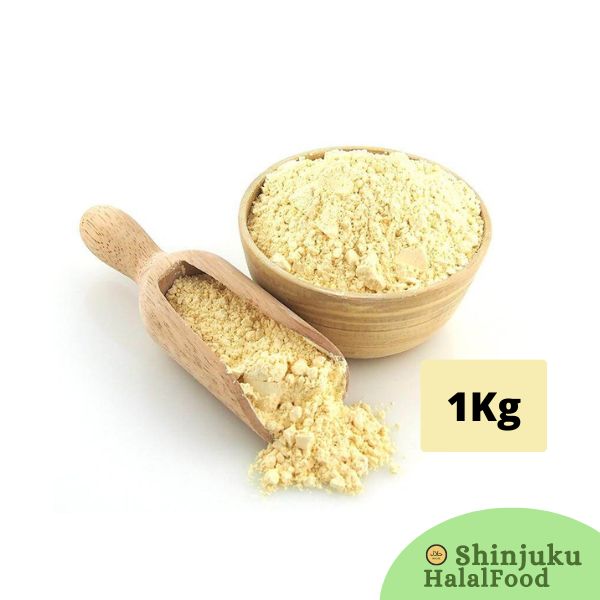
Beson (Chickpea Flour/Gram Flour) (1Kg) ベサン(ひよこ豆粉)
Original price was: ¥660.¥605Current price is: ¥605. (With Tax)
¥45
Off
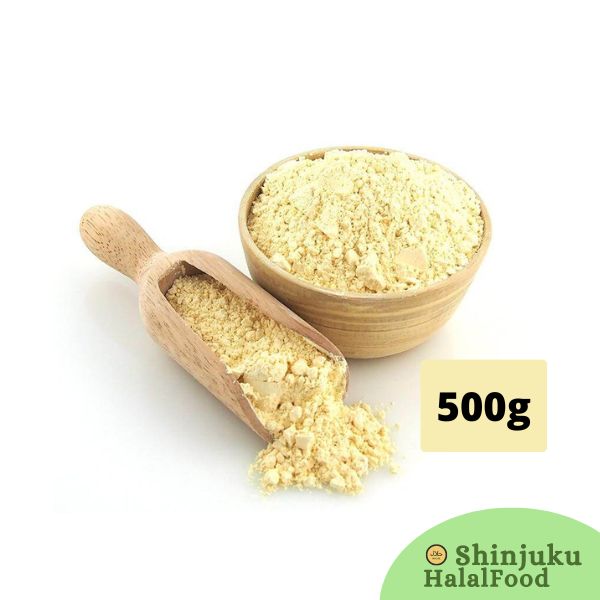
Beson (Chickpea Flour/Gram Flour) (500g) ベサン(ひよこ豆粉)
Original price was: ¥400.¥355Current price is: ¥355. (With Tax)
¥139
Off
Save
¥40
¥48
Off
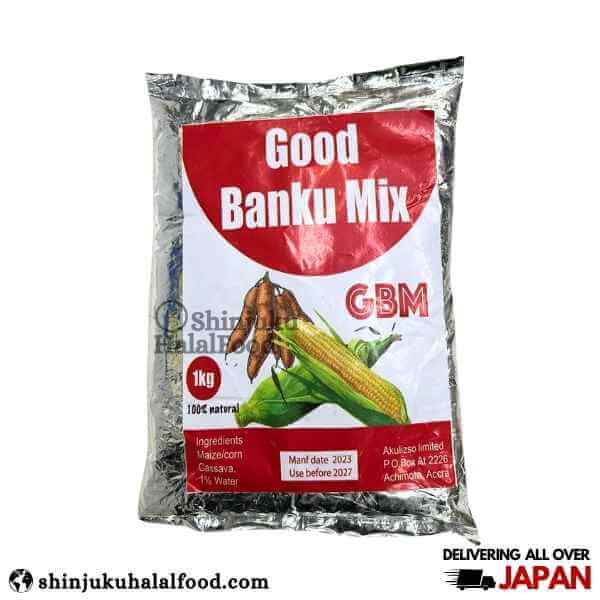
Good Banku Mix Flour (1kg) グッド バンクミックス粉
Original price was: ¥898.¥850Current price is: ¥850. (With Tax)
¥12
Off
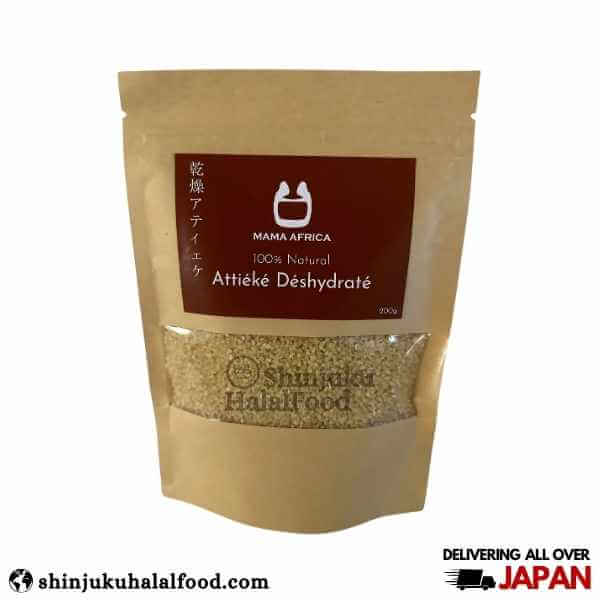
Attieke Deshydrate (200g) アティエケ デハイドレート
Original price was: ¥610.¥598Current price is: ¥598. (With Tax)
¥12
Off

¥120
Off
¥300
Off
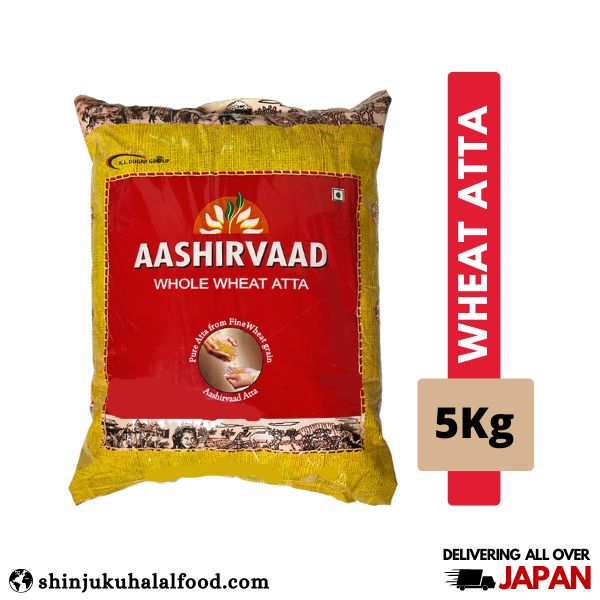
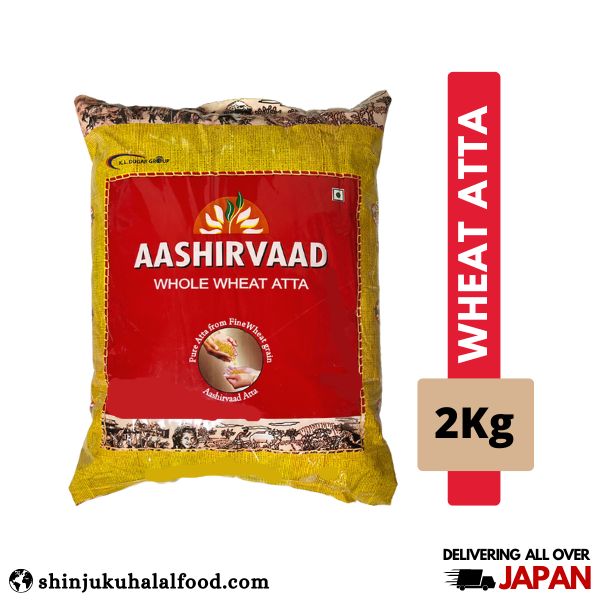
Aashirvaad Atta(wheat) (5Kg) 小麦
Original price was: ¥1,850.¥1,550Current price is: ¥1,550. (With Tax)
¥248
Off
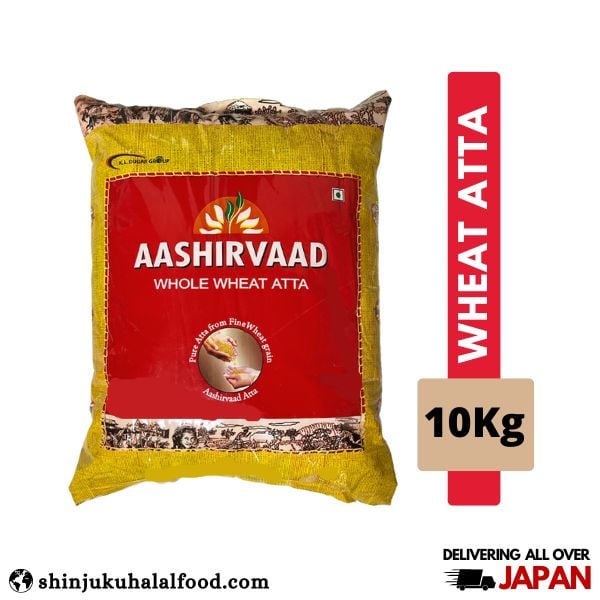
Aashirvaad Atta (wheat)(10Kg) 小麦
Original price was: ¥3,246.¥2,998Current price is: ¥2,998. (With Tax)
¥220
Off
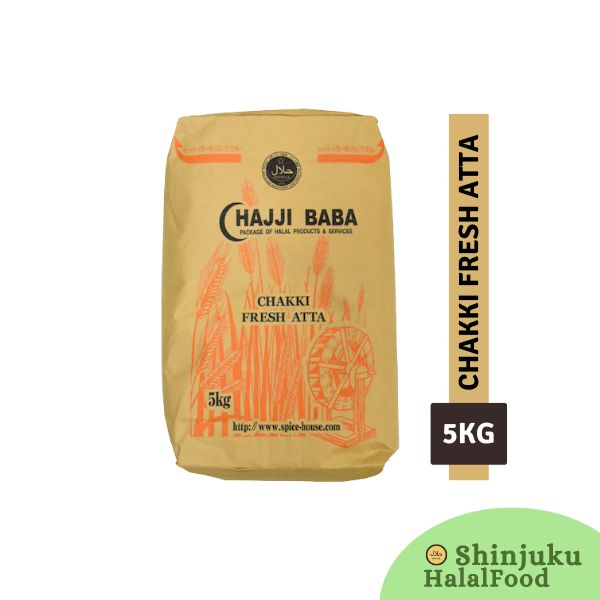
Hajji Baba Atta (Wheat) (5Kg) 小麦
Original price was: ¥1,480.¥1,260Current price is: ¥1,260. (With Tax)
¥260
Off
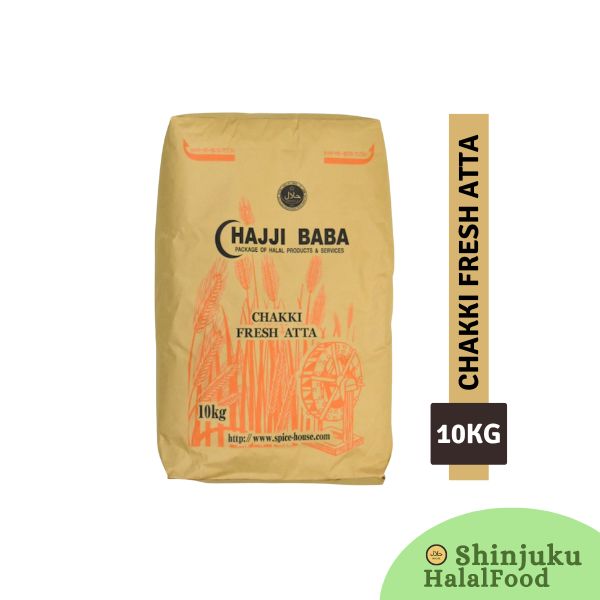
Hajji Baba Atta (Wheat) (10Kg) 小麦
Original price was: ¥2,700.¥2,440Current price is: ¥2,440. (With Tax)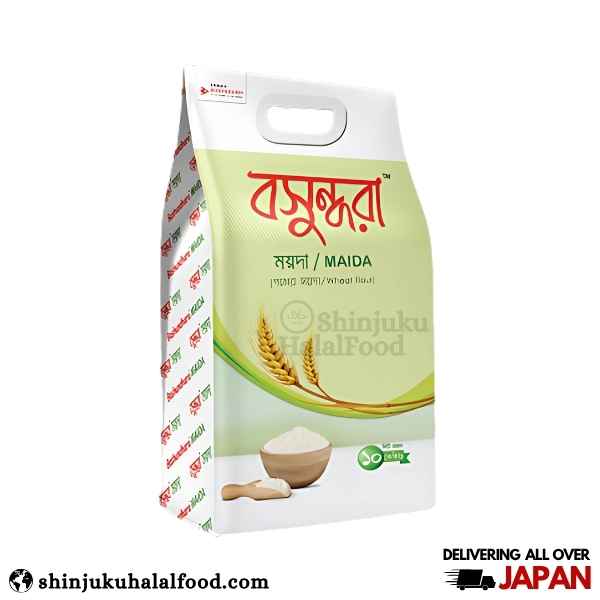
¥47
Off
Buy Atta Flour Online Japan for Roti, Paratha, Baking, and Everyday Cooking
If you live in Japan and cook at home often, flour is probably one of the most important things in your kitchen. You use it for daily roti, soft paratha, crispy pakora, homemade sweets, baked snacks, and many other meals that depend on the right texture and taste.
That is why you may search for buy atta flour online Japan instead of searching only for flour.
You are usually not looking for just any flour from a local supermarket. You want the kind of flour that fits the food you already know how to cook. You may be looking for chakki atta for chapati, whole wheat atta for daily roti, maida for naan and bakery items, suji for halwa or upma, besan for pakora, or specialty flour used in regional cooking.
This category helps you find those products in one place.
It makes it easier for you to choose the right flour based on what you actually cook at home. You may need soft atta for everyday bread, fine maida for baking and dough, semolina for breakfast or sweets, besan for savory snacks, or other flour types for specific traditional dishes.
What you can find in this flour and atta category?
This category is wider than many people expect. It is not only about one type of atta. It includes several kinds of flour and meal that serve different cooking styles.
From the visible products in this category, shoppers can find items such as:
- chakki atta and whole wheat atta
- family packs of atta in larger sizes
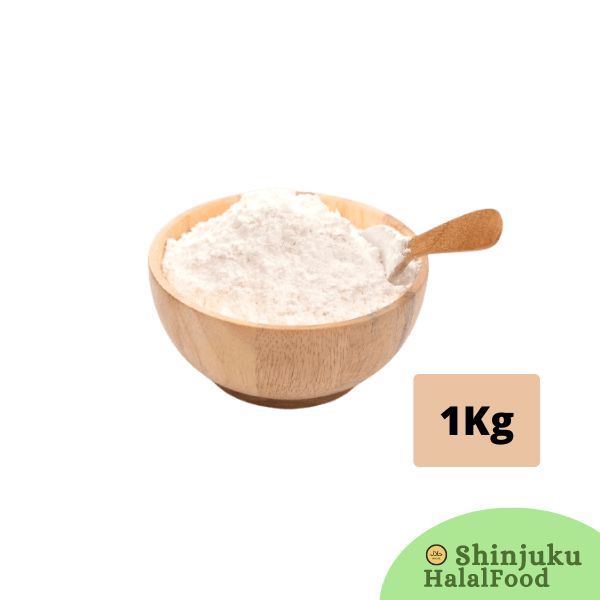
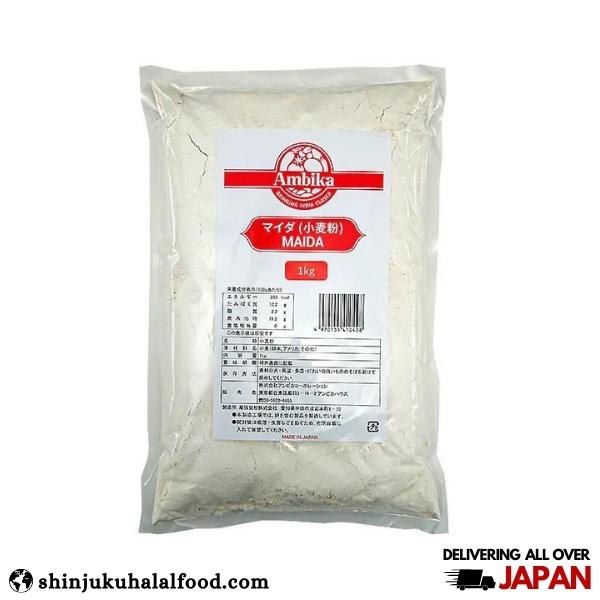
- maida flour
- suji and semolina
- besan flour
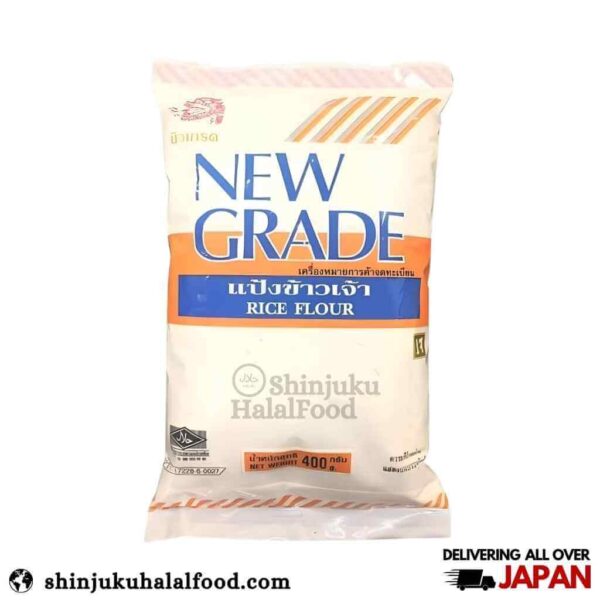
- rice flour and rice powder
- corn flour and maize-based products
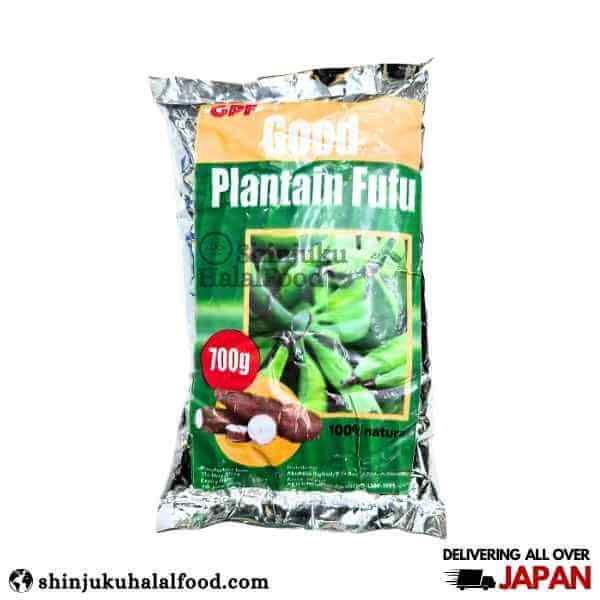
- plantain flour
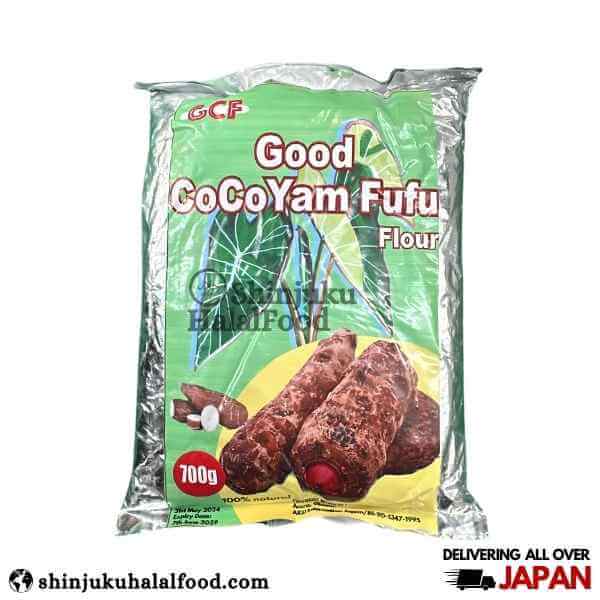
- fufu flour
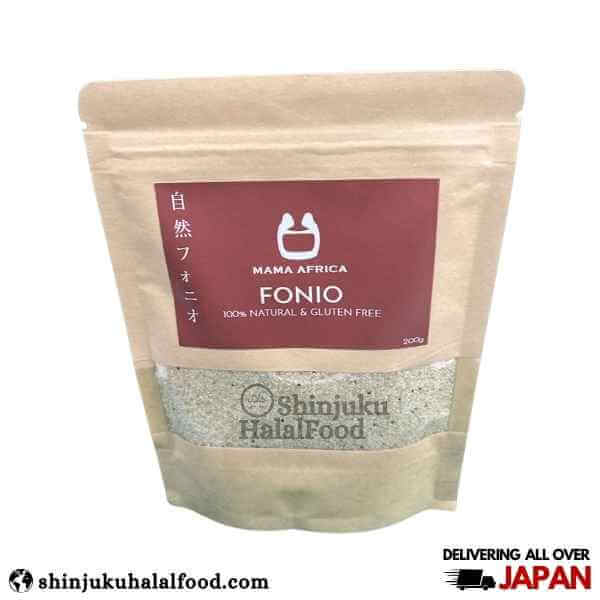
- other specialty flours used in South Asian, African, and international cooking
That range matters because flour is not one simple category. One household may need fine whole wheat atta for chapati. Another may need maida for bakery use. Another may be shopping for besan, rice flour, or fufu for a very specific recipe.
A useful flour category should help people understand these differences instead of treating every product as the same.
Atta is the center of daily bread cooking
For many halal-conscious households in Japan, atta is the main reason to visit this category.
Atta is used for:
- chapati
- roti
- paratha
- puri
- some types of naan
- stuffed flatbreads
- simple dough for everyday meals
If you cook these foods often, the quality of atta matters immediately. The dough tells you right away whether the flour is right. Some flour feels too dry. Some makes roti hard after a short time. Some does not roll well. Good atta should make dough that is soft, manageable, and easy to puff on the pan.
Whole wheat atta for daily roti
Whole Wheat Atta Japan searches usually come from people who cook roti often and want a flour that behaves properly in the kitchen.
Whole wheat atta is the usual choice for:
- everyday chapati
- phulka
- soft home-style roti
- simple paratha
Because it keeps more of the wheat, it gives roti a fuller taste and a more familiar texture. It is also the flour many people are already used to from home.
When choosing whole wheat atta, shoppers in Japan often care about a few practical things:
- whether the dough comes together easily
- whether the roti stays soft after cooking
- whether the flour works for daily use, not just one recipe
- whether the pack size suits a small home or a larger family
That is why this category is useful. It includes whole wheat options in different sizes, so both regular and heavy-use households can choose properly.
Chakki atta and why people search for it by name
Many shoppers do not search only for atta. They search specifically for buy chakki atta Japan online.
That search intent is more specific. It usually means they want wheat flour that feels closer to traditional home use. Chakki atta is preferred by people who want better roti texture and more familiar dough performance.
In this category, larger pack options are especially important. Families that cook roti every day often do not want to keep reordering small bags. They look for practical sizes such as 2 kg, 5 kg, and 10 kg packs.
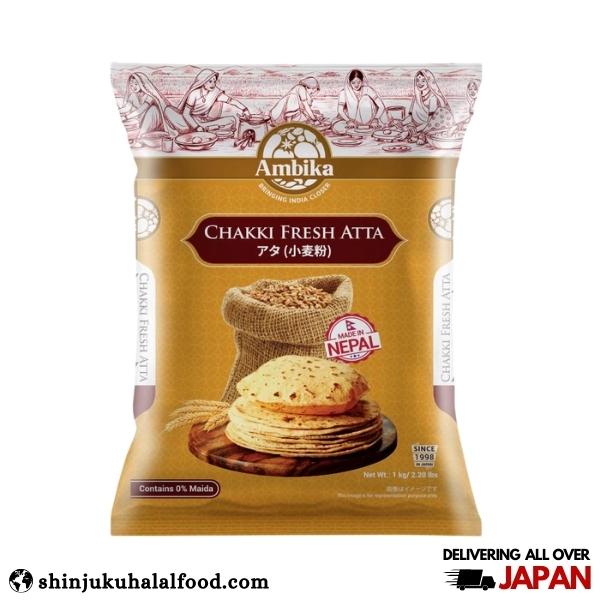
This is also where branded products matter. Many shoppers specifically look for Ambika chakki atta Japan because they already know the product and want to reorder with confidence. A familiar brand reduces trial and error, which matters when flour is used every day.
If you cook chapati regularly, chakki atta usually makes more sense than general wheat flour from a regular supermarket. It is chosen because it fits a known cooking style.
Maida is not the same as atta
One of the most common mistakes among new shoppers is assuming all white flour can be used the same way.
It cannot.
If atta is the flour of daily flatbread, maida flour is the flour of softer, lighter, and often richer dough.
People who search buy maida flour Japan online are usually looking for flour for:
- naan
- paratha with a softer bite
- bakery-style bread
- biscuits and cakes
- samosa or pastry dough
- frying batters
- sweets that need a finer texture
Maida is more refined than whole wheat atta. It behaves differently in kneading, stretching, and frying. For some recipes, atta and maida can be mixed together. For others, the difference matters too much to substitute.
For example:
- chapati is usually better with whole wheat atta
- naan often works better with maida or a mix
- bakery items usually need maida
- samosa or pastry shells benefit from the finer texture of maida
That is why keeping atta and maida clearly separate on a category page helps users and search systems alike. They serve different needs.
Suji and semolina are essential in many kitchens
A strong flour category should not stop at atta and maida. It should also explain buy suji online intent, because suji is one of the most used pantry staples in South Asian cooking.
Suji, also called semolina in many contexts, is often used for:
- halwa
- upma
- suji roti in some homes
- coating for frying
- cakes and sweets
- thickening and texture in certain dishes
Some households use suji every week, especially for breakfast or quick desserts. Others buy it mainly for festive sweets.
The important thing is that suji is not just another flour. It has a grainier texture and a different cooking role. If someone wants halwa, plain atta is not the right answer. If someone wants upma, maida is not a substitute.
So this category should naturally help shoppers distinguish suji from the other flour types.
Besan flour has its own place in daily and festive cooking
People searching besan flour Japan online usually know exactly what they want. Besan is one of the most purpose-driven flours in the pantry.
It is used for:
- pakora and bhaji
- chilla
- laddoo and sweets
- coating vegetables or fish before frying
- thickening some gravies and curry bases
- regional snacks and savory batters
Besan behaves differently from wheat flour. It has a nutty taste and does not replace atta or maida. In some homes it is an occasional ingredient, while in others it is always stocked because it supports snacks, Ramadan cooking, and quick savory food.
This category appears to include besan in multiple sizes, which is useful because the needs vary a lot. A small household may want a smaller pack for occasional pakora. A family that cooks with besan often may prefer a larger bag.
That also creates a good internal linking opportunity later if separate pages exist for smaller and bulk besan packs.
Rice flour, corn flour, and other everyday alternatives
A well-built flour category should also reflect the fact that not all shoppers are here for wheat.
Some need rice-based or maize-based products for regional food traditions, lighter textures, or non-wheat recipes.
In this category, shoppers can find products such as:
- rice flour
- rice powder
- corn flour
- maize meal or maize-based flour
- other grain-based pantry staples
These are useful for many kinds of cooking.
Rice flour can be used for:
- pitha and rice-based sweets
- batters and coatings
- steamed cakes
- light crisp textures in frying
- regional recipes where wheat flour is not the first choice
Corn flour or maize-based products can be used for:
- coating and frying
- thickening soups or sauces
- bread and porridge in some cuisines
- traditional African and international dishes
These products expand the usefulness of the category. They help the page serve more than one cultural cooking pattern, which is important for a halal grocery store in Japan with customers from many backgrounds.
Specialty flours make the category more useful for international cooking
One reason this category stands out is that it does not appear limited to only South Asian staples. It also includes specialty products such as plantain flour and fufu flour, which are important for African and diaspora cooking.
That matters because shoppers in Japan often struggle to find these products locally.
Plantain flour
Plantain flour is commonly used in:
- porridge
- swallow-style meals in some homes
- baked items
- regional recipes where plantain flavor or starch is needed
Fufu flour
Fufu flour is used in traditional meals where the flour is cooked and shaped as a soft staple, usually served with soup or stew.
These products are not impulse buys. People search them with clear intent because they need them for specific dishes. Including them in a flour and atta category makes the page more complete and much more useful for real users.
How to choose the right flour for your cooking?
A category page becomes more helpful when it guides people toward the right product instead of leaving them to guess.
Choose atta if you cook bread every day
Go with whole wheat atta or chakki atta if your main goal is:
- roti
- chapati
- paratha
- everyday dough
If roti is part of your regular routine, start here.
Choose maida for bakery use and softer dough
Use maida if you mostly make:
- naan
- bakery bread
- pastry dough
- cakes
- biscuits
- soft fried dough
It is the better fit for refined, softer, lighter results.
Choose suji for texture and breakfast or sweet dishes
Pick suji or semolina for:
- upma
- halwa
- coated frying
- some cakes and sweets
Choose besan for snacks and savory batters
Use besan for:
- pakora
- chilla
- bhaji
- laddoo
- quick savory recipes
Choose rice, corn, or specialty flour for regional dishes
Use rice flour, plantain flour, fufu flour, or maize-based items when your cooking depends on those specific ingredients.
What many shoppers in Japan want to know before buying?
What is the best whole wheat atta in Japan?
The answer depends on how often you cook and what kind of roti texture you want. For most households, the best whole wheat atta in Japan is the one that gives soft dough, cooks evenly, and fits daily home use. Many repeat buyers prefer familiar chakki atta brands because consistency matters more than novelty.
Is chakki atta better than regular wheat flour?
For roti and chapati, many people prefer chakki atta because it feels closer to the flour they are used to for South Asian cooking. Regular supermarket wheat flour may work for some uses, but it often does not perform the same way for daily flatbread.
Can I use maida instead of atta for roti?
Technically yes, but the result is different. Maida produces softer, more pliable flatbreads similar to naan or bhatura. Traditional roti and chapati are made from atta, which gives a heartier texture and flavour. Roti made from maida tends to be softer and slightly chewy rather than having the characteristic bite of whole wheat roti. Most households keep both flours for different preparations.
What is the difference between suji and besan?
Suji is semolina and has a grainy texture. Besan is gram flour made from pulses and is used for batters, snacks, and some sweets. They are not substitutes.
Which atta pack size is best for a family?
If roti is made daily, larger packs such as 5 kg or 10 kg often make more sense. If you cook bread only sometimes, a smaller pack may be enough.
Which atta brand is best for roti in Japan?
Ambika Chakki Fresh Atta, Aashirvaad Atta, and Hajji Baba Atta are all available here and all work well for everyday roti and chapati. Ambika is the most affordable option in small packs. Aashirvaad is one of the most trusted brands in India with a very consistent flour quality. Hajji Baba offers the best price per kilogram in the 10kg format. The choice largely comes down to brand familiarity, pack size preference, and budget.
Is besan flour the same as chickpea flour?
Yes. Besan, gram flour, and chickpea flour all refer to the same product, which is flour made from ground dried chickpeas. The product is listed here as Beson, which is the Bengali spelling of the same ingredient. It is used identically across South Asian recipes regardless of which name is used.
Why this category matters for halal households in Japan
For halal-conscious customers, pantry shopping is not only about availability. It is about being able to cook familiar food at home without constant compromise.
Flour is one of the foundations of that. It connects directly to meals people actually make:
- roti with curry
- paratha with tea
- pakora for guests
- halwa for family
- naan for weekend cooking
- specialty dishes from South Asia, Africa, and beyond
That is why a flour category needs to do more than list products. It needs to help people understand what each type is for.