

Looking for quality rice in Japan? Shinjuku Halal Food stocks over 30 varieties including Thai jasmine rice, Japanese Koshihikari, basmati, American long-grain, Prome Chinigura aromatic rice, and specialty options like black rice and glutinous sticky rice. All products are halal-certified and available in sizes from 1kg to 10kg with delivery across Japan. Whether you’re cooking sushi, biryani, fried rice, or traditional desserts, we have the right rice for your recipe. Can’t find your favorite rice in local supermarkets? We stock hard-to-find imported varieties that regular Japanese stores don’t carry. Browse below or read our complete buying guide to choose the perfect rice for your cuisine.
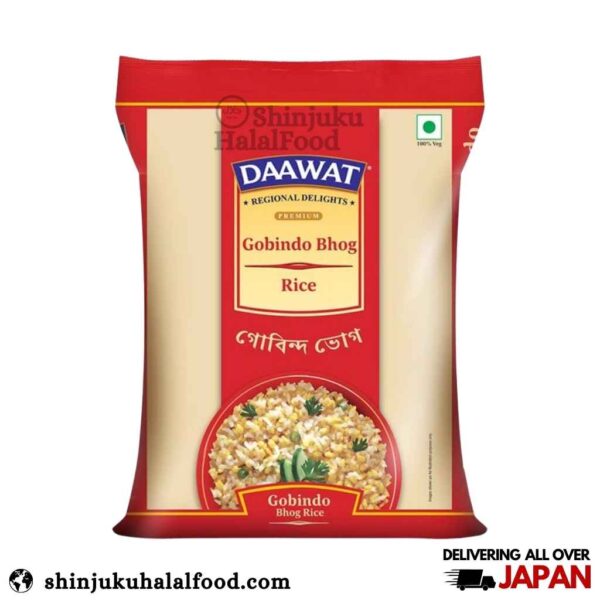
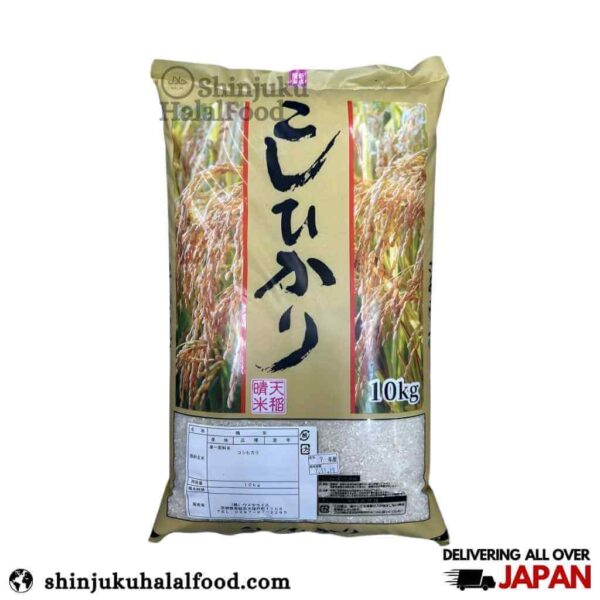
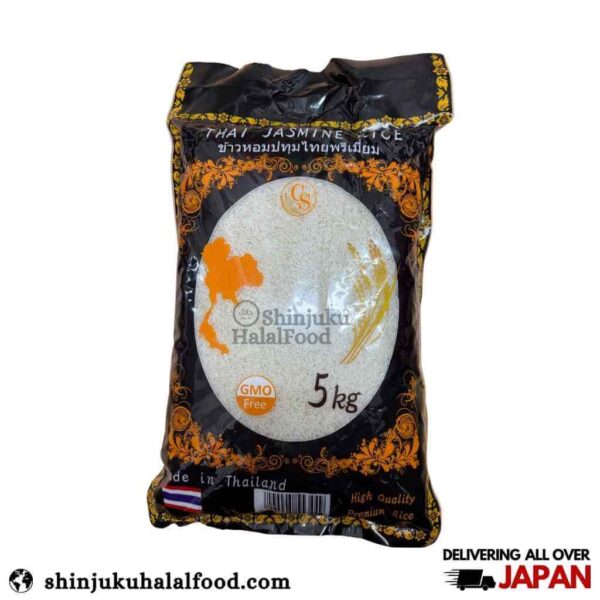
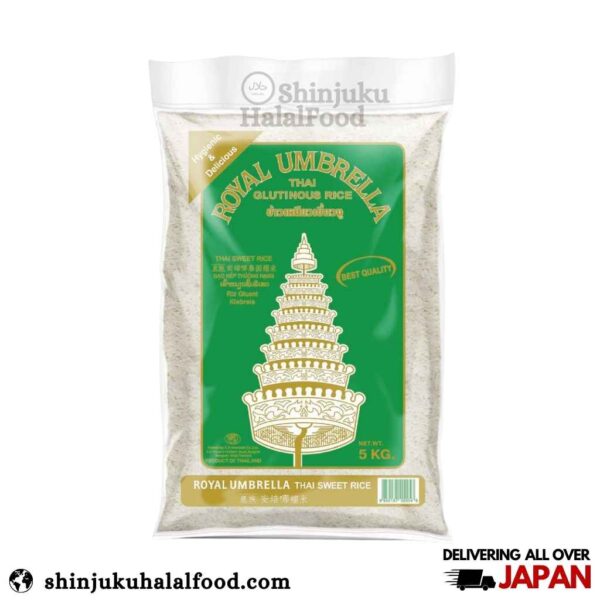

¥510
Off
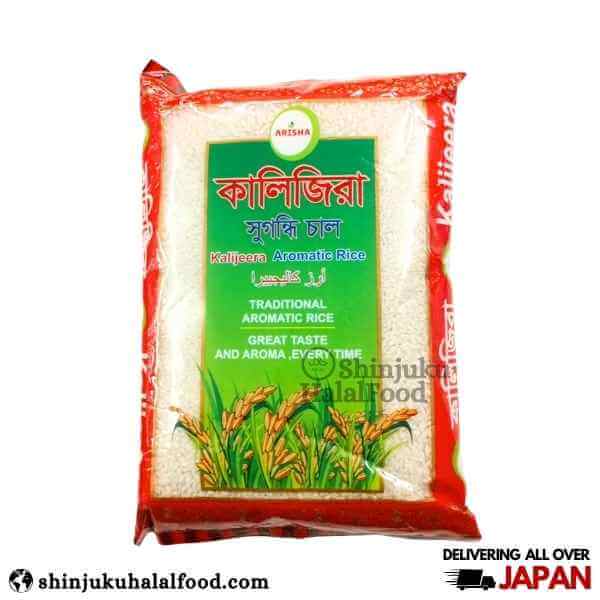
Kalijeera Aromatic Rice (1kg) カリジーラ アロマティック米
Original price was: ¥1,590.¥1,080Current price is: ¥1,080. (With Tax)
¥1,130
Off
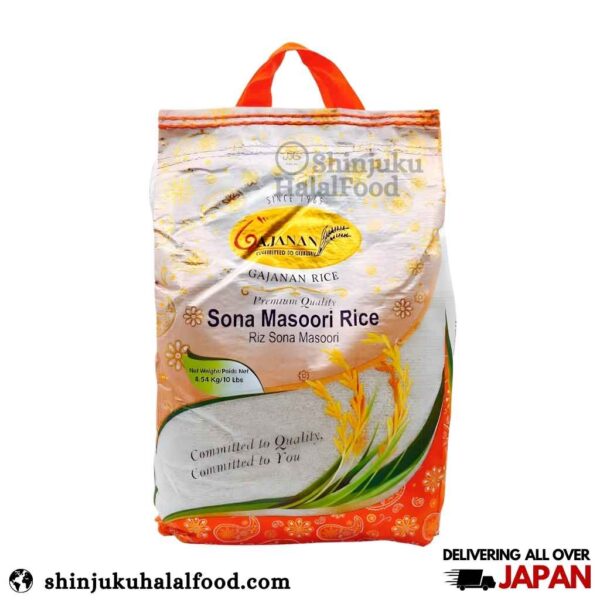
Gajanan Sona Masoori Raw Rice (4.54kg) ガジャナン ソナ マスーリ 生米
Original price was: ¥4,980.¥3,850Current price is: ¥3,850. (With Tax)
Save
¥310
Save
¥2,410
¥40
Off
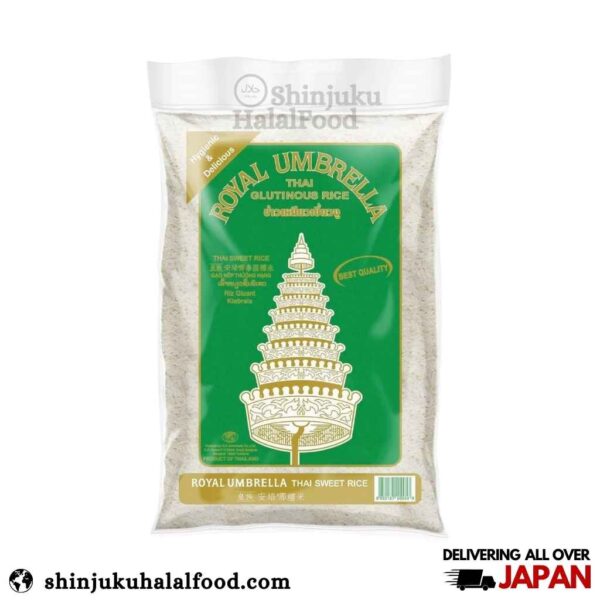
Thai Mochi/Glutinous Rice (1kg) タイのもち米
Original price was: ¥1,000.¥960Current price is: ¥960. (With Tax)
¥492
Off

Royal Umbrella Thai Jasmine Fragrance Rice (5kg) ジャスミンフレグラント ライス
Original price was: ¥4,490.¥3,998Current price is: ¥3,998. (With Tax)
Save
¥922
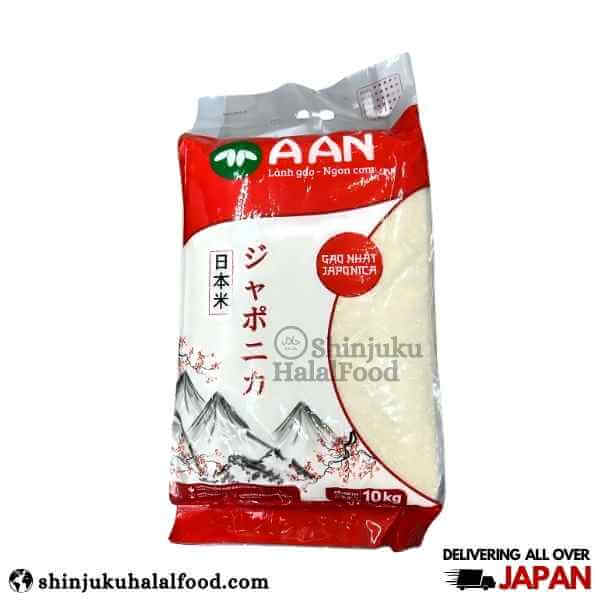
Japonica Rice (Aan) (10kg) ジャポニカ米(アン)
Original price was: ¥7,516.¥6,594Current price is: ¥6,594. (With Tax)
Save
¥402
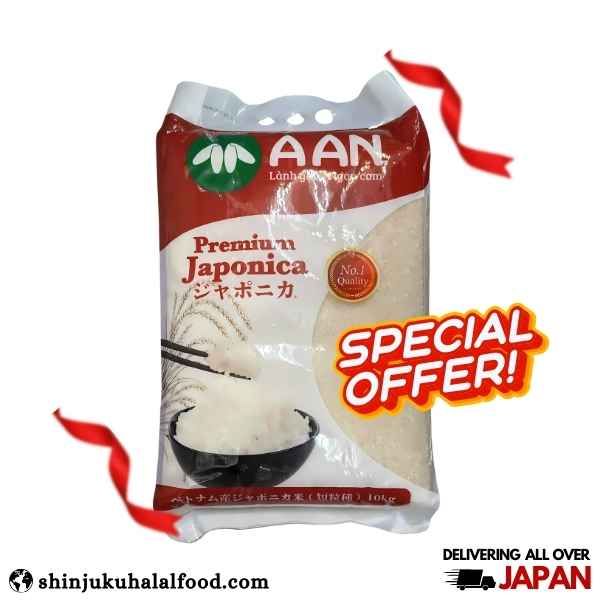
Premium Japonica Rice (AAN) (5kg) プレミアム ジャポニカ米(アン)
Original price was: ¥3,700.¥3,298Current price is: ¥3,298. (With Tax)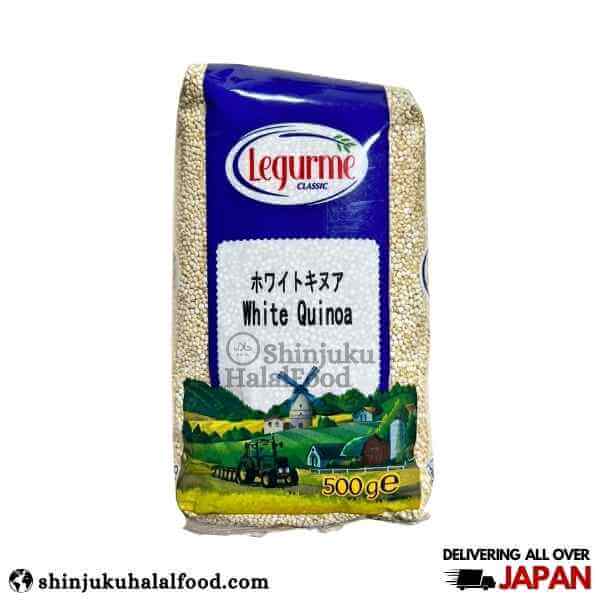
Save
¥1,000
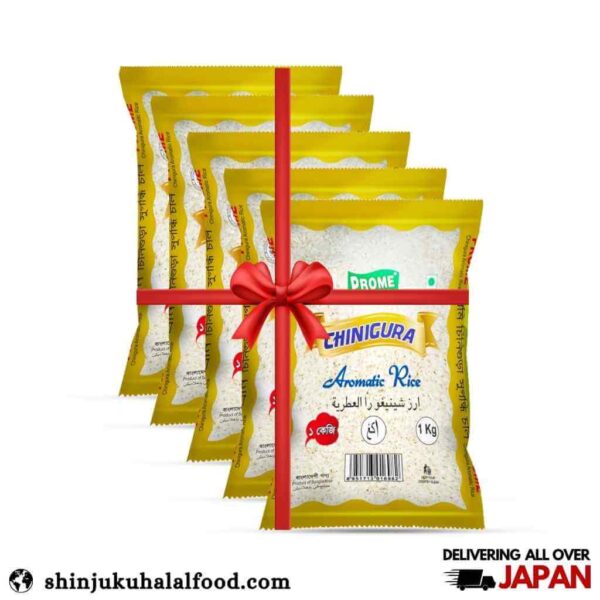
Prome Chinigura Rice (Aromatic Rice) (1kg x 5pack) (Combo Offer) プロム チニグラ米(アロマティック米)
Original price was: ¥4,750.¥3,750Current price is: ¥3,750. (With Tax)
Save
¥2,050
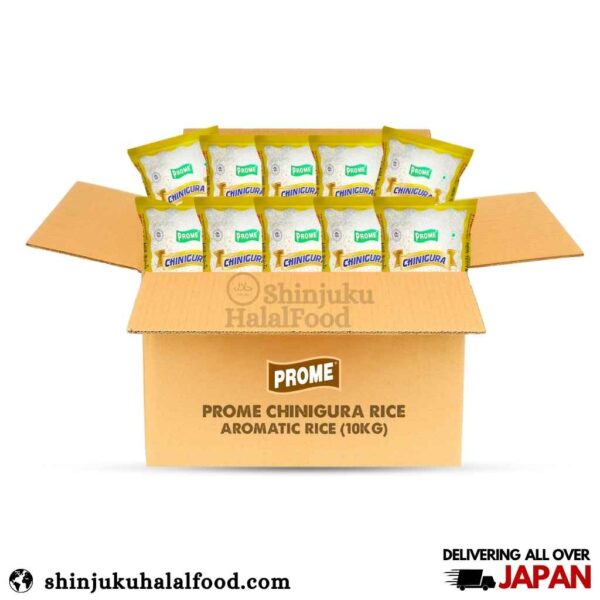
Prome Chinigura Rice (Aromatic Rice) (1kg x 10kg Box) プロム チニグラ米(アロマティック米)
Original price was: ¥9,500.¥7,450Current price is: ¥7,450. (With Tax)
Save
¥195
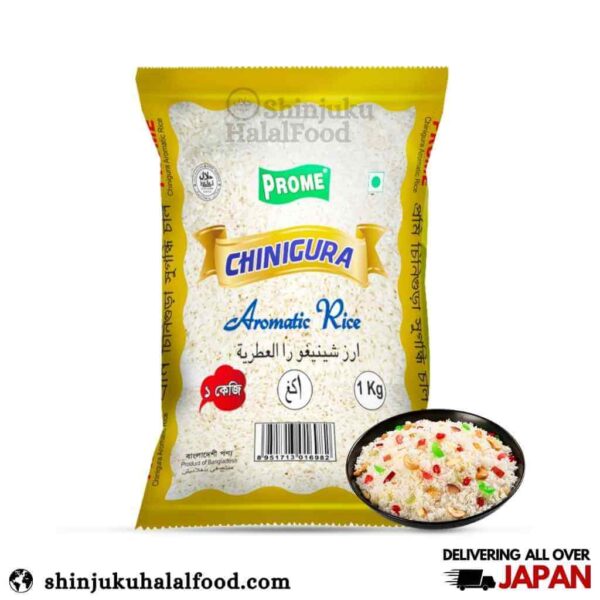
Prome Chinigura Rice (Aromatic Rice) (1kg) プロム チニグラ米(アロマティック米)
Original price was: ¥950.¥755Current price is: ¥755. (With Tax)
¥490
Off

Thai Jasmine Buayai Rice (5Kg) ジャスミン米
Original price was: ¥4,590.¥4,100Current price is: ¥4,100. (With Tax)Buy Rice Online in Japan – Your Guide to Quality Rice at Shinjuku Halal Food
It may seem simple to find good rice in Japan at first. This is the nation known for its rice culture, after all. However, the search can become frustrating when you’re looking for specific varieties, such as premium Japanese rice, American long-grain rice, or Thai jasmine rice. Your options become even more limited when you include halal certification.
Shinjuku Halal Food can help with that. We have a large selection of rice types to suit various dietary requirements, cooking methods, and cuisines. We can help you prepare sushi, fried rice, biryani, or just a bowl of steamed rice.
Why Rice Selection Matters More Than You Think
Not all rice is the same. The type of rice you use changes the texture, flavor, and success of your dish. Use short-grain rice for fried rice and it’ll turn mushy. Use long-grain rice for sushi and it won’t stick together. The wrong choice doesn’t just affect taste; it can ruin the entire meal.
Many people living in Japan, especially those from South Asia, Southeast Asia, the Middle East, or Western countries, struggle to find the rice they grew up with. Japanese supermarkets mainly stock Japanese short-grain rice, which is excellent for Japanese cuisine but not ideal for other dishes. Imported rice is available, but it’s often expensive, hard to find, or sold in inconvenient quantities.
We understand this problem because we’ve experienced it ourselves. That’s why we offer a variety of rice types in one place, all available online with home delivery across Japan.
What Types of Rice Can You Find Here?
Our rice selection includes varieties from different regions, each suited to specific cooking methods and dishes.
Japanese Rice
Japanese short-grain rice is what locals eat daily. It’s sticky, slightly sweet, and holds together well. This makes it perfect for sushi, onigiri, and eating with chopsticks. The grains are plump and release starch when cooked, creating that signature sticky texture.
If you’re living in Japan and want to cook Japanese meals at home, or if you simply prefer the texture of Japanese rice, this is your go-to option. We stock different grades and brands, including premium options that Japanese families use for special occasions.
Products in this category:
Thai Rice
Thai jasmine rice is one of the most popular rice varieties worldwide. It has a subtle floral aroma and a slightly sticky texture when cooked, though not as sticky as Japanese rice. The grains are long and separate easily, making it ideal for Thai curries, stir-fries, and Southeast Asian dishes.
Finding authentic Thai rice in Japan can be difficult. Many stores sell generic “long-grain rice” that doesn’t have the same aroma or texture. We import genuine Thai jasmine rice so you can recreate the flavors of home or enjoy restaurant-quality Thai dishes in your kitchen. We carry several brands so you can find the exact texture and aroma you prefer.
Products in this category:
- Thai Jasmine Rice
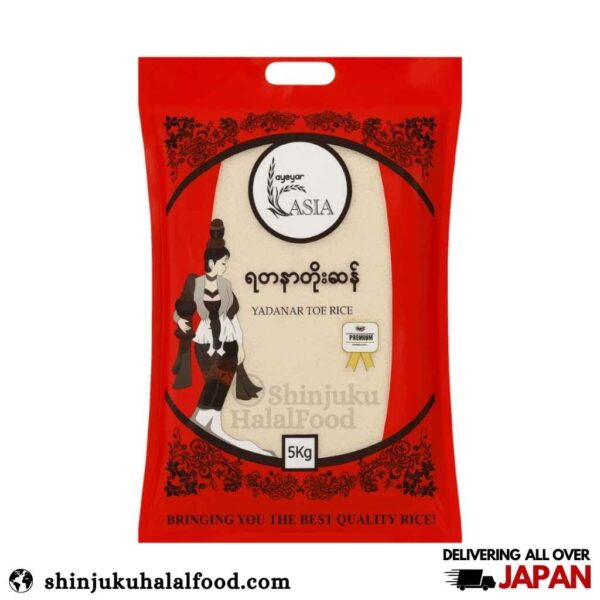
- Yadanar Toe Rice
- Wat Arun Thai Jasmine Rice
- Thai Mochi Rice
- Royal Umbrella Thai Jasmine Fragrance Rice
- Thai Jasmine Buayai Rice
- Wonnapob Thai Jasmine Rice
- Thai Rice
American Rice
American long-grain rice is different from both Japanese and Thai varieties. The grains are longer, firmer, and stay completely separate after cooking. This makes it perfect for dishes like Mexican rice, Cajun jambalaya, rice pilaf, and any recipe where you want distinct, fluffy grains.
If you’re from the United States or simply prefer this style of rice, it’s surprisingly hard to find in Japan. We stock American rice in larger bag sizes, which is a practical choice for households that use it regularly.
Products in this category:
Prome Chinigura Rice
Prome Chinigura Rice (Aromatic Rice) is a premium-quality rice variety known for its delicate aroma, fine grains, and soft texture. This traditional Bangladeshi rice is widely loved for preparing special dishes such as pulao, biryani, kheer, and other festive meals. Its natural fragrance enhances the taste and presentation of every recipe, making it a perfect choice for both everyday cooking and special occasions.
Carefully sourced and hygienically packed, Prome Chinigura Rice ensures freshness and quality in every grain, bringing authentic flavor straight to your kitchen. We also offer combo and bulk options for families who go through it quickly.
Products in this category:
Basmati Rice
Basmati rice is essential for South Asian and Middle Eastern cooking. The grains are extra long, aromatic, and fluffy when cooked. Real basmati has a distinctive nutty fragrance that can’t be replicated by other rice types.
This is the rice you need for biryani, pulao, kabsa, Persian rice dishes, and Indian curries. Japanese supermarkets rarely stock authentic basmati, and when they do, it’s usually expensive or low quality. We offer premium basmati rice at reasonable prices, making it easier to cook the meals you miss from home.
Get Our Basmati Rice:
- Ambika Biryani Basmati Rice
- Falak Premium Basmati Rice
- Kaalar Premium Basmati Rice
- India Gate Basmati Rice Premium
- Zeeba Premium Basmati Rice
- Zeeba Classic Basmati Rice and More Basmati Rice
Glutinous Rice (Sticky Rice)
Also called sweet rice or mochi rice, glutinous rice becomes very sticky when cooked. Despite the name, it’s gluten-free — the term refers to its glue-like texture. This rice is used for desserts, Thai sticky rice with mango, Chinese zongzi, and Japanese mochi.
It’s a specialized variety that not everyone needs, but when a recipe calls for it, nothing else will work. We keep it in stock for those specific dishes that require this unique texture.
Products in this category:
Brown Rice and Specialty Varieties
Beyond white rice, we also carry brown rice options and specialty varieties. Brown rice is the whole grain with only the outer hull removed, keeping the nutritious bran layer intact. It has more fiber, vitamins, and minerals than white rice, though it takes longer to cook and has a chewier texture.
Some customers prefer brown rice for health reasons, while others use it to add variety to their diet. We stock both Japanese brown rice and long-grain brown rice varieties. If you’re looking to explore beyond everyday white rice, this is a good place to start.
Products in this category:
- Black Rice (Gạo nếp cẩm)
- Red Quinoa
- White Quinoa Rice
- Australian Rice
- Golden Phoenix Thai Jasmine Rice Fragrant
Other Rice
We also carry a few more rice types that don’t fit neatly into the categories above. These are worth trying if you cook a variety of cuisines or are simply curious about different rice textures and flavors.
Products in this category:
Understanding Rice Quality and Grades
Not all rice within the same category is equal. Just like with any agricultural product, rice comes in different quality grades based on factors like grain uniformity, broken grain percentage, and harvest year.
What Makes Rice “Premium”?
Premium rice has consistent grain size, minimal broken pieces, and excellent cooking properties. The grains cook evenly, have better texture, and often taste noticeably better than budget options. For Japanese rice specifically, factors like water content, protein levels, and growing region affect the grade.
Does Expensive Rice Taste Better?
Usually, yes. The price difference reflects not just quality but also cultivation methods, aging, and processing. Premium basmati that’s aged for a year will have better aroma and texture than freshly harvested budget basmati. Premium Japanese rice from famous regions like Niigata or Akita will taste sweeter and stickier than generic brands.
That said, the “best” rice depends on what you’re cooking. For everyday fried rice or congee, mid-range rice works perfectly fine. Save the premium stuff for dishes where rice is the star, like plain steamed rice served with simple side dishes.
How Much Rice Should You Buy?
Rice is sold in different package sizes, typically ranging from 1kg bags to 10kg or even 20kg sacks. The right size depends on how much you cook and your storage situation.
Small Packages (1-2kg)
Good for trying a new variety, for people who don’t eat much rice, or if you have limited storage space. These are convenient but cost more per kilogram.
Medium Packages (5kg)
The sweet spot for many households. A 5kg bag will last a single person several months or a small family a few weeks. It’s easy to store and reasonably priced.
Large Packages (10kg and up)
Best value per kilogram, ideal for large families or people who eat rice daily. Just make sure you have proper storage to keep the rice fresh. Large bags are also good if you’re buying specialty rice that’s hard to find—stock up when you can.
Storage Tips to Keep Your Rice Fresh
Rice lasts a long time, but it’s not immortal. Proper storage keeps it fresh, prevents pests, and maintains flavor.
Keep It Cool and Dry
Store rice in a cool, dry place away from direct sunlight. Heat and humidity can affect quality and attract insects. In Japan’s humid summers, this is especially important.
Use Airtight Containers
Transfer rice from the original bag to an airtight container after opening. This protects against moisture, pests, and odors from other foods. Glass jars, plastic containers with tight lids, or dedicated rice storage containers all work well.
How Long Does Rice Last?
White rice can last years if stored properly, though it’s best used within a year for optimal flavor. Brown rice has a shorter shelf life—usually around 6 months—because the bran layer contains oils that can go rancid. If brown rice smells musty or off, it’s time to replace it.
Watch for Insects
Rice weevils and other pantry pests can infest rice, especially in warm weather. Check your rice regularly. Some people place bay leaves in their rice containers as a natural deterrent.
Cooking Different Types of Rice
Each rice variety has its own ideal cooking method. Getting this right makes a huge difference in the final result.
Japanese Short-Grain Rice
Rinse thoroughly until the water runs clear—this removes excess starch and prevents gummy texture. Use a 1:1 ratio of rice to water, or slightly less water for firmer rice. Let it soak for 30 minutes before cooking if you have time. A rice cooker produces the most consistent results, but a pot with a tight lid works too.
Prome Chinigura Rice
Chinigura rice has very fine, delicate grains, so it needs a little more care than regular rice. Rinse it gently two or three times with cool water — don’t scrub or stir too hard or the grains will break. Let it soak for about 20 to 30 minutes before cooking. This step is important because it helps the grains absorb water evenly and come out soft without becoming mushy.
Use a 1:1.75 ratio (one cup rice to 1.75 cups water). Bring the water to a boil, then reduce the heat to the lowest setting and cover the pot tightly. Cook for about 12 to 15 minutes without lifting the lid. Once it’s done, let it sit off the heat for 5 minutes before opening. Fluff it gently with a fork — the grains should be soft, separate, and lightly fragrant. A rice cooker also works well here and takes the guesswork out of the timing.
Thai Jasmine Rice
Rinse once or twice, but not as thoroughly as Japanese rice—you want to keep some starch for that characteristic slight stickiness. Use a 1:1.5 ratio (one cup rice to one and a half cups water). Bring to a boil, then simmer covered for about 15 minutes. Let it rest off heat for 5 minutes before fluffing.
Basmati Rice
Rinse well and soak for 20-30 minutes—this helps the grains elongate during cooking. Use a 1:1.75 ratio (one cup rice to 1.75 cups water). Boil, then simmer covered for 10-12 minutes. Let it rest for 5 minutes, then fluff gently with a fork. The grains should be separate and fluffy, not sticky.
American Long-Grain Rice
Rinse briefly if desired, though it’s less critical than with other varieties. Use a 1:2 ratio (one cup rice to two cups water). Bring to a boil, cover, reduce heat to low, and simmer for 18-20 minutes. Let rest for 5 minutes, then fluff.
Brown Rice
Requires more water and longer cooking time than white rice. Use a 1:2.5 ratio and cook for 40-45 minutes. Some people soak brown rice for a few hours before cooking to reduce cooking time and improve digestibility.
Rice for Specific Dishes
Choosing the right rice for your dish ensures better results every time.
For Sushi and Onigiri
Use Japanese short-grain rice labeled as sushi rice. This variety has the right starch content to hold together when seasoned with vinegar and shaped.
For Biryani and Pulao
Basmati rice is non-negotiable. Its long grains, aroma, and ability to stay separate after cooking make it perfect for layered rice dishes. The grains also elongate beautifully when cooked, which is part of the dish’s appeal.
For Fried Rice
Day-old rice works best because it’s drier and less sticky. You can use Japanese rice, jasmine rice, or long-grain rice depending on your preference. Japanese restaurants in Japan typically use Japanese rice for fried rice, while Chinese restaurants might use jasmine or long-grain varieties.
For Curry
Japanese curry is traditionally served with Japanese short-grain rice. Indian and Thai curries pair better with basmati or jasmine rice respectively. The choice affects not just taste but also how the curry and rice combine in each bite.
For Rice Pudding and Desserts
Short-grain rice creates creamier desserts. Japanese rice works, but glutinous rice produces an even stickier, more cohesive texture for certain sweet dishes.
Why Shop for Rice Online?
Buying rice online offers several advantages over hunting through physical stores.
Convenience
Rice is heavy. Carrying a 5kg or 10kg bag home from the store is not fun, especially if you don’t have a car. Online shopping means rice gets delivered to your door.
Better Selection
Physical stores have limited shelf space and stock what sells fastest to the general population. Online stores can offer a wider variety because they’re not constrained by retail space.
Price Comparison
You can easily compare prices between different sizes and varieties. Buying larger quantities online often costs less per kilogram than buying small bags from local supermarkets.
Time Savings
Skip the trip to the store, skip the crowds, and skip the heavy lifting. Order when convenient, and your rice arrives when you need it.
Common Questions About Buying Rice in Japan
Is rice expensive in Japan?
Japanese rice can be affordable or expensive depending on the quality and brand. Premium Japanese rice costs more than standard varieties. Imported rice like basmati or Thai jasmine is usually more expensive than Japanese rice because of import costs and lower demand.
Where can I find affordable rice near me?
Online stores like Shinjuku Halal Food offer competitive pricing and delivery, eliminating the need to search for specialty stores. We also offer different package sizes to fit various budgets.
What’s the best Japanese rice for everyday cooking?
For daily meals, mid-range Japanese rice brands offer good quality without premium prices. The specific best choice depends on personal preference, but most people can’t tell much difference between mid-range and premium rice in everyday cooking.
Can I find American rice in Japan easily?
American rice is available but not in regular supermarkets. You’ll need to check import stores or online shops that cater to international residents.
How do I know if rice is halal?
Rice itself is naturally halal as it’s a plant product. However, some rice products might be processed in facilities that also handle non-halal items, or might contain additives. At Shinjuku Halal Food, we ensure our products meet halal standards for Muslim customers.
What’s the difference between expensive and cheap rice?
Beyond brand names, price reflects grain quality, broken grain percentage, harvest freshness, and sometimes the growing region. Expensive rice generally cooks more evenly, tastes better, and has superior texture. However, the difference matters more for some dishes than others.
Making Your Rice Purchase Decision
Choosing rice comes down to three main factors: what you’re cooking, how much you eat, and your budget.
Start with Your Cuisine
If you mainly cook Japanese food, focus on Japanese rice varieties. If you cook South Asian, Middle Eastern, or certain East Asian cuisines, basmati or jasmine rice makes more sense. If you eat varied cuisines, consider having two types on hand—one short-grain and one long-grain.
Consider Package Size
Don’t over-buy if you’re trying a new variety. Start with a smaller package. Once you know you like it, stock up with larger bags for better value.
Balance Quality and Budget
Premium rice tastes better, but not every meal requires it. Many households keep both everyday rice and premium rice for special occasions. There’s no shame in choosing mid-range rice—it’s about finding what works for your situation.
Why Choose Shinjuku Halal Food for Your Rice?
We specialize in serving the diverse international community in Japan. Our rice selection reflects the real needs of people from different backgrounds who want to cook authentic meals at home.
All our products, including rice, meet halal standards. We understand that for Muslim customers, this certification provides peace of mind. Beyond religious requirements, we focus on quality, reasonable pricing, and reliable delivery.
Shopping with us means access to varieties you won’t find in regular Japanese supermarkets, delivered to your home anywhere in Japan. We stock everything from everyday rice to specialty varieties, in package sizes that make sense for different households.
Whether you need Thai jasmine rice for pad thai, basmati for biryani, or premium Japanese rice for a special dinner, you’ll find it here. We’ve eliminated the frustration of searching multiple stores or settling for whatever’s available.
Get Started with Your Rice Order
Browse our rice selection to find the varieties that match your cooking needs. We’ve organized products by type and clearly labeled each one so you know exactly what you’re getting. Product descriptions include grain type, origin, best uses, and package size.
Add what you need to your cart, and we’ll handle the rest. Delivery times vary by location, but we ship throughout Japan. If you’re unsure which rice to choose for a specific dish, our product descriptions provide guidance, or you can start with the most popular varieties in each category.
Rice is the foundation of countless meals across cultures. Having the right rice at home means you’re always ready to cook something good. Whether it’s comfort food from childhood, a family recipe passed down through generations, or simply a satisfying meal after a long day, the right rice makes it possible.